Our Story
Fellah: the name of those who work the land.
The story of a word, a migration, a master and a stone house.
The Word
Fellah is Arabic for “farmer — one who works the land.” Centuries ago, families who migrated from the shores of Lazkiye to the fertile Çukurova plain carried this name; Ottoman records listed them as “gardeners.” Working the fields, these people built a kitchen that was humble yet unforgettable — one that brought bulgur together with garlic, embers with patience, and the table with generosity.
Terra
Terra is Latin for earth. Both halves of our name lead to the same place: this kitchen begins with the land. Tomatoes, peppers, wheat and meat, carried to the table without disturbing what nature made them — that is Terra’s only claim. The harvest wreath in our logo is its emblem: rose, tomato, pepper, garlic and wheat, the bounty of a single garden.
The Master
Ali Şemi Usta is 83. He has spent his life at the zırh blade and the ember fire, training kebab masters in many corners of the world. They call him the grand master of kebab. He is still in Terra’s kitchen every morning: he chooses the meat himself, minces it on the zırh himself, sets the skewer over the embers himself. The secret of his fifty-year-old recipes was never written down — it lives in the master’s hands.
The Stone House
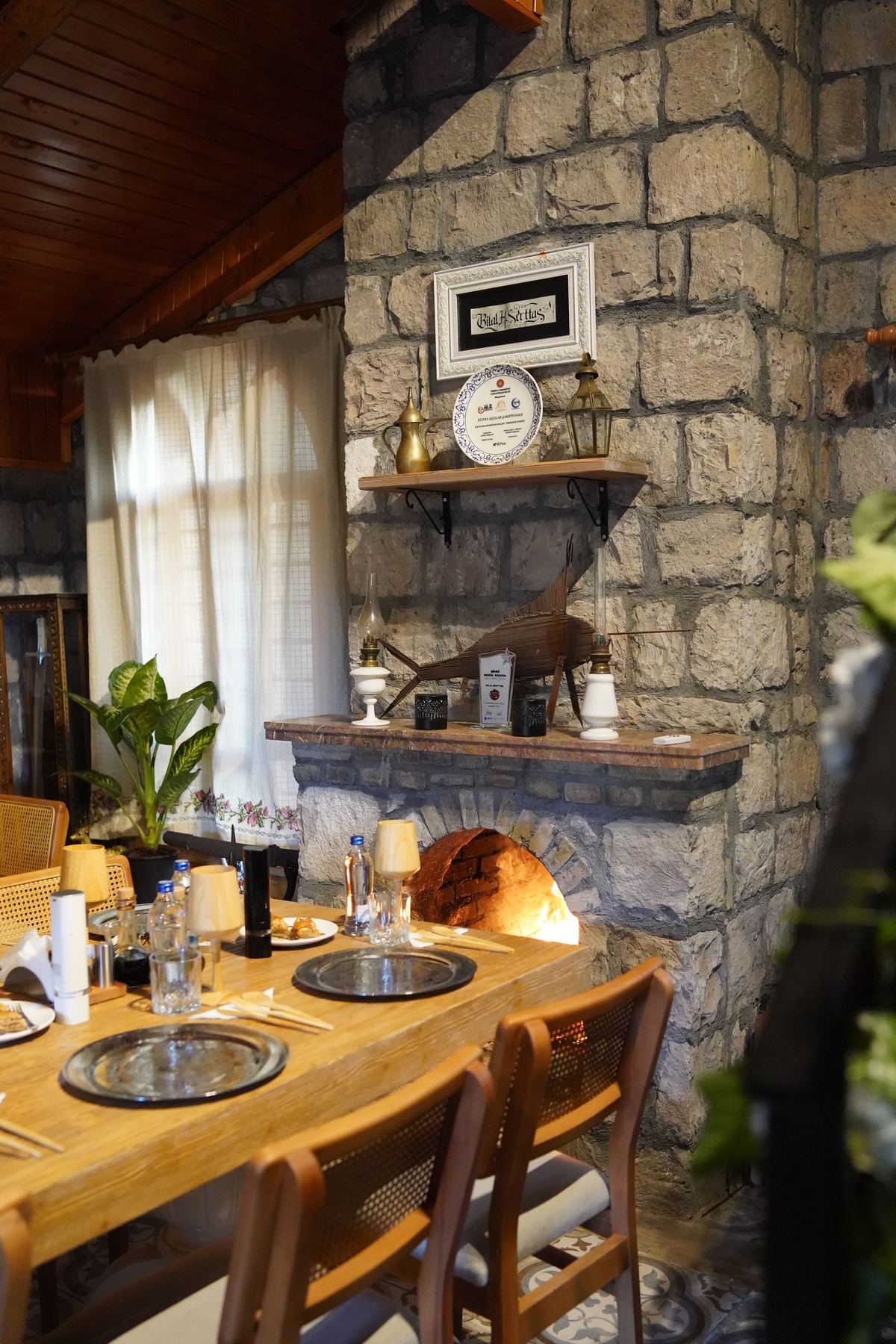
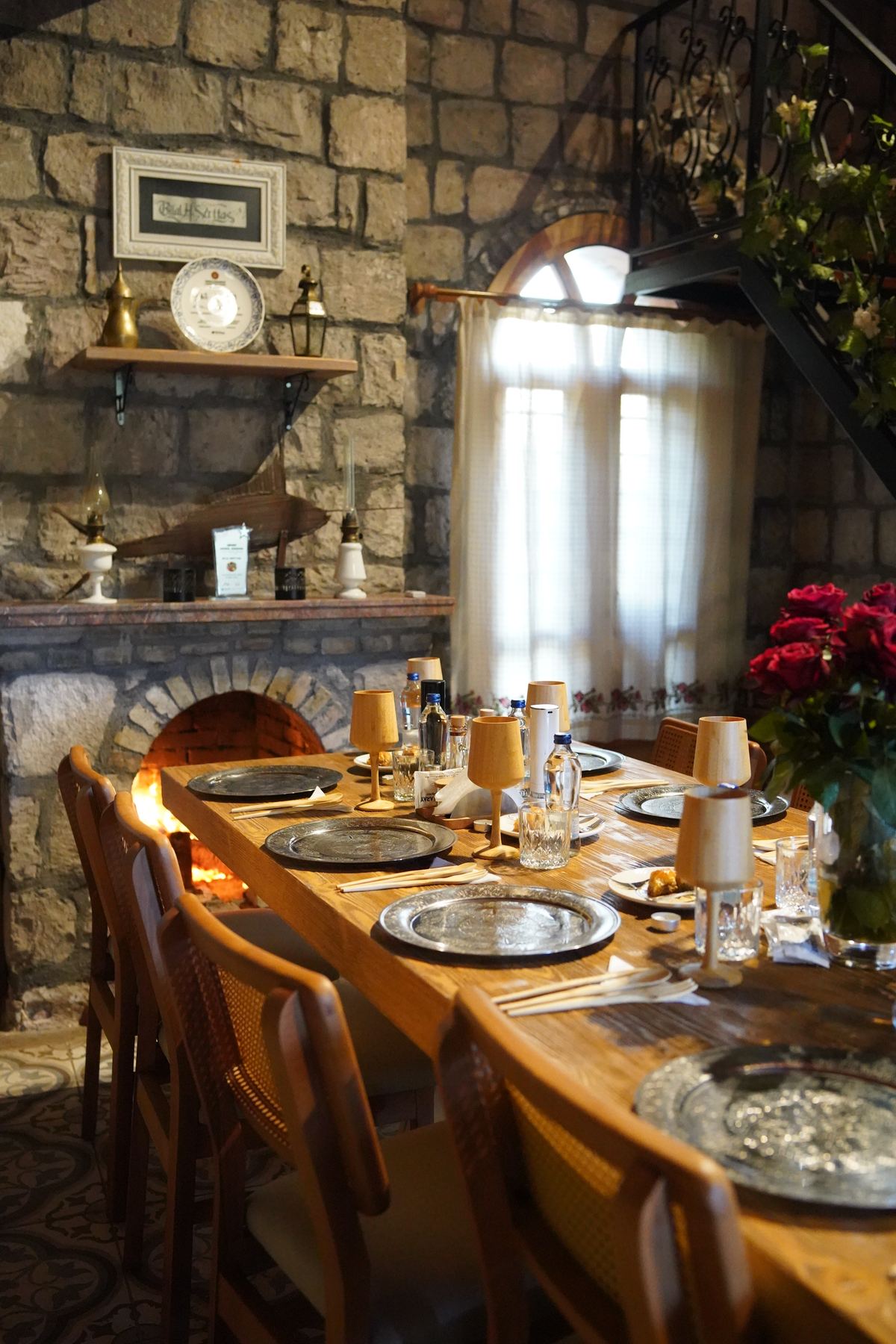
Our founder Biral Serttaş worked for two years towards this dream: a century-old Adana stone house, faithfully brought back to life with its fireplace and copper vessels. Inside there is a single table for just 24. This is not a busy restaurant; it is a home table of old Adana. Which is why we welcome guests by reservation only.
The Table
Terra exists to keep alive the nearly forgotten dishes of old Adana. From fellah köftesi to tatar mantısı, from yüksük soup to grandmother’s-recipe baklava — every plate carries a memory forward. Here, kebab is not a performance; it is the oldest pact between land, fire and patience.
Three promises
Land
Ingredients true to their nature — in season, and from where they belong.
Fire
Embers do not like to be rushed; neither does the meat, nor the guest.
Warmth
This is a family table: whoever comes is not a customer, but one of the household.
Your place at the table is ready.
The rest of the story is told in the stone house.